
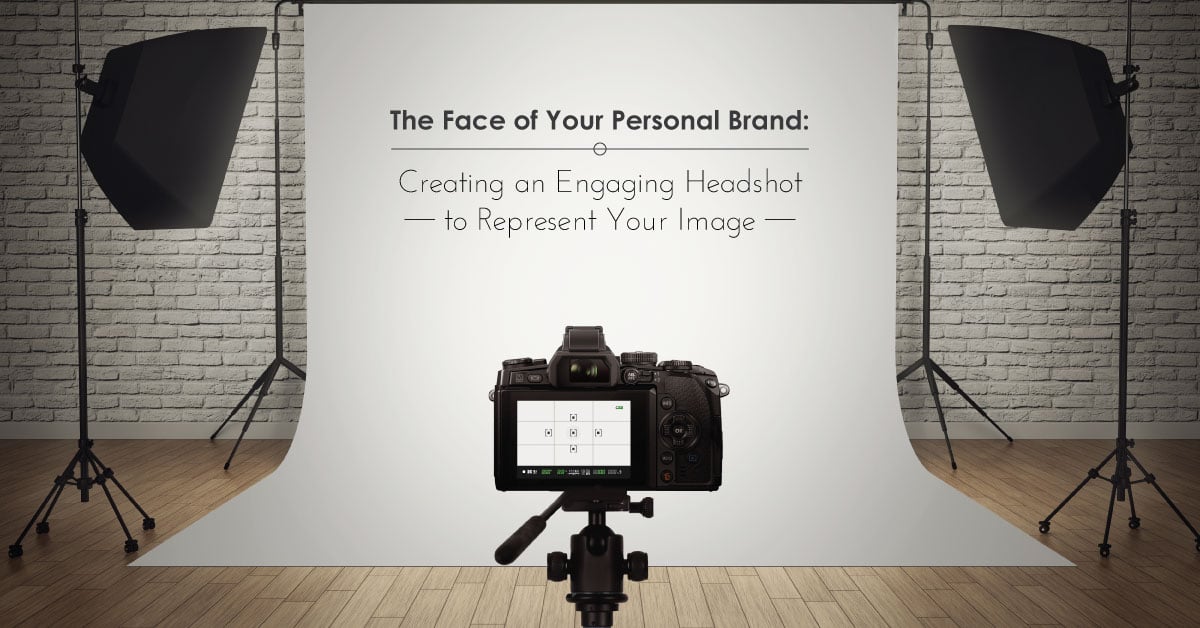

In today’s professional landscape, people form judgments about you long before you have a chance to speak. That first impression is often shaped by what they see online, whether it is on LinkedIn, your company’s website, or a portfolio. This is where your headshot plays a vital role. When Your Headshot Shapes Your Brand, it becomes more than a photo. It is a representation of your personality, credibility, and the story you want your audience to remember.
The Link Between Visual Identity and Professional Growth
Your headshot is one of the most powerful elements of your visual identity. Just like a logo defines a business, your headshot defines you as a professional. A polished image communicates reliability and attention to detail, while a poor-quality or outdated photo can raise doubts about your professionalism.
People subconsciously connect your image with your work ethic, trustworthiness, and even competence. This connection has real-world consequences. Recruiters, clients, and colleagues are more likely to engage with you if your headshot projects confidence and approachability.
How a Professional Headshot Shapes Perception
A high-quality headshot does more than present your face. It conveys subtle signals that influence perception:
-
Confidence: A relaxed, assured expression can immediately inspire trust.
-
Approachability: A warm smile encourages people to connect with you.
-
Authority: Proper posture and styling highlight competence.
-
Consistency: Matching your headshot with your overall brand aesthetic strengthens recognition.
When combined, these signals create a strong personal brand foundation.
The Psychology Behind Headshots
Visual psychology plays a critical role in branding. Studies show that people form opinions about strangers within seconds of seeing their photo. In business, those opinions often dictate whether someone clicks your profile, sends a message, or chooses to collaborate.
Your headshot influences three key areas:
-
Trust: People gravitate toward individuals who appear genuine and open.
-
Familiarity: A recognizable, consistent image across platforms helps people remember you.
-
Professionalism: A thoughtfully taken photo signals that you value presentation, which translates into how you handle your work.
The Role of Environment and Styling
Your headshot should match the environment you want to be associated with. A formal corporate professional may benefit from a clean, studio-style background, while a creative entrepreneur might prefer a modern, lifestyle-oriented setting.
-
Clothing choices should reflect your industry, yet remain timeless.
-
Backgrounds should avoid distractions and instead complement your brand.
-
Lighting should highlight your features naturally, avoiding harsh shadows.
Every element contributes to a cohesive visual message.
Why Updating Your Headshot Matters
An outdated headshot can hurt your brand more than having no headshot at all. If you appear significantly different in real life than in your photo, it creates a disconnect that can lead to mistrust.
Updating your headshot every few years ensures:
-
Your professional image stays aligned with your current role and expertise.
-
You present yourself authentically to new connections.
-
Your brand identity evolves consistently over time.
Practical Scenarios Where Headshots Influence Success
Headshots play a critical role in situations you might not immediately consider:
-
Job Applications: Employers notice how well you present yourself online.
-
Speaking Engagements: Event organizers often use your headshot for promotional material.
-
Networking Platforms: People are more likely to connect if your photo looks inviting.
-
Press Features: A professional image ensures media outlets represent you properly.
-
Business Websites: Team pages with strong headshots help companies appear more credible.
The Hidden Impact on Career Confidence
Beyond external perception, having a professional headshot also boosts your confidence. Seeing yourself represented in a polished, flattering way helps reinforce self-belief. This confidence often translates into better performance in interviews, pitches, and networking events.
When your image aligns with how you want to be perceived, it eliminates self-doubt and lets you focus on opportunities instead of worrying about presentation.
Building Consistency Across Platforms
Your headshot should be a unifying element across your personal brand. Using the same image (or coordinated variations) on LinkedIn, professional websites, and even email signatures helps people instantly recognize you.
This consistency:
-
Reduces confusion in digital spaces.
-
Strengthens brand recall.
-
Builds trust through familiarity.
Think of it as creating a visual trademark for yourself.
Investing in the Right Photographer
Not all photos are created equal. A smartphone selfie or a quick snapshot rarely delivers the polish that a skilled photographer can achieve. Professional photographers understand composition, lighting, and angles that highlight your best features.
They also guide you through poses that convey authority without stiffness and warmth without awkwardness. That expertise is what elevates a headshot from a picture to a branding tool.
FAQs About Headshots and Branding
Q. How often should I update my professional headshot?
A. Ideally every two to three years, or sooner if your appearance has changed significantly. Regular updates keep your personal brand aligned with reality.
Q. What should I wear for a professional headshot?
A. Choose clothing that reflects your industry while remaining timeless. Avoid distracting patterns and opt for solid colors that complement your skin tone.
Q. Can my headshot style differ if I work in a creative field?
A. Yes. Creative professionals can experiment with casual attire, lifestyle backdrops, or props, provided it still looks polished and intentional.
Q. Do virtual backgrounds work for professional headshots?
A. While virtual options exist, authentic settings or professional studio shots create stronger credibility. A real background always feels more natural.
Q. What is the biggest mistake people make with headshots?
A. Using outdated or low-quality images. A blurry, poorly lit photo can send the wrong message about your professionalism.
Q. How do I ensure my headshot feels authentic?
A. Work with a photographer who makes you feel comfortable. Genuine expressions come from relaxed sessions, not forced poses.

Comments are closed.