
Mastering Micro-Contrast and Color Science in Digital Photography for Professional Results

In advanced digital photography, the most compelling images are shaped not only by composition and lighting but also by the understanding of micro-contrast and color science. These two elements define how texture, depth, and emotional tone are perceived in an image. While many photographers spend years improving their ability to capture scenes, the true signature of a seasoned professional lies in how they interpret and render subtle tonal details and color relationships. This is the precise territory where images transcend the ordinary, becoming expressive and visually immersive.
Understanding Micro-Contrast and Its Impact on Image Quality
Micro-contrast refers to the fine tonal separation between small adjacent details. Unlike global contrast, which affects the entire image’s light and dark balance, micro-contrast influences the clarity of tiny transitions that create the illusion of depth and realism.
Why Micro-Contrast Matters
-
Enhances perceived sharpness without over-sharpening filters
-
Accentuates textures in subjects like skin, foliage, fabric, and architecture
-
Adds atmospheric dimension, giving images a three-dimensional quality
A photograph with strong micro-contrast feels crisp and vivid even when zoomed out. On the other hand, an image with poor micro-contrast may appear flat or dull, regardless of its sharpness settings.
Factors That Influence Micro-Contrast
-
Lens design and optical glass purity
-
Sensor size and light-gathering capability
-
Lighting direction and quality
-
Post-processing technique and color grading
Higher-end prime lenses with excellent coatings typically provide better micro-contrast due to reduced internal reflections and greater light clarity.
Color Science: The Emotional Engine of Digital Images
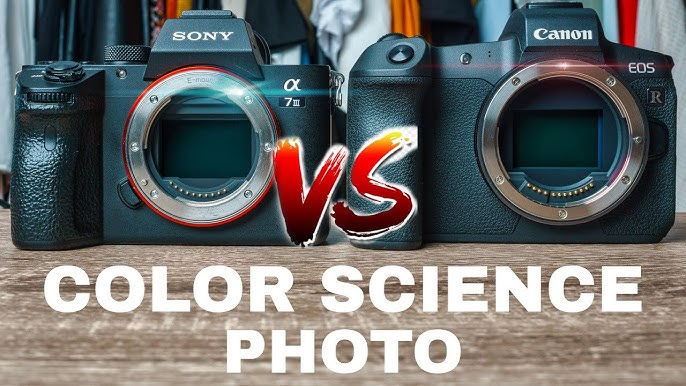
Color science refers to how a digital camera sensor interprets and renders colors. Every camera brand has a distinct color signature shaped by its profiles, sensor architecture, and processing algorithms. This is why skin tones may look warmer on one system and cooler on another, even when capturing the same subject under identical lighting.
The Role of Color Science in Digital Photography
-
Sets the emotional tone and mood of the scene
-
Influences how natural or stylized an image feels
-
Impacts how viewers connect with the subject on an emotional level
Strong color science is especially critical in portrait, landscape, and editorial photography where tone consistency and story expression are paramount.
Key Color Science Parameters to Master
-
Hue shifts (how pure or tinted a color appears)
-
Saturation distribution (which colors pop and which stay subdued)
-
Luminance response (brightness handling across tones)
-
White balance nuance (avoiding sterile or overly warm images)
Experienced photographers often dial in customized profiles or LUTs to maintain signature looks across projects and lighting environments.
The Combined Impact: Depth, Realism, and Visual Presence
When micro-contrast and color science are aligned, images develop a striking presence. For example, skin texture appears natural rather than plastic when micro-contrast is optimized, while refined color handling prevents pores from appearing exaggerated or discolored.
Achieving the Balance
-
Too much micro-contrast can make an image feel harsh.
-
Too little leaves it lifeless.
-
Too much saturation can feel artificial.
-
Too little fails to capture emotional intention.
Mastery lies in recognizing the unique character of each scene and adjusting accordingly.
Techniques to Improve Micro-Contrast in Your Workflow
Use High-Quality Lenses
Optical clarity has a direct effect on fine tonal transitions. Vintage lenses can add artistic softness, while modern high-end lenses yield maximum textural fidelity.
Shoot in RAW Format
RAW files retain full tonal data, allowing detailed control during editing. JPEG compresses micro-tones, reducing flexibility.
Optimize Lighting for Dimensionality
Directional light produces natural tonal variation. Side lighting, for instance, enhances texture and shadow depth.
Local Contrast Adjustments in Post-Processing
Tools like clarity and texture controls should be applied selectively, avoiding a universal increase that may introduce harshness.
Refining Color Science in Post-Processing
Build a Consistent Color Workflow
Keep your display calibrated and work in consistent lighting. Inconsistent monitor color can lead to mismatched output.
Adjust Saturation with Intention
Instead of boosting global saturation, adjust color channels individually to maintain natural relationships.
Create and Store Custom Color Profiles
Using preset-based workflows or LUTs helps maintain brand continuity and reduces editing time.
Choose Lighting That Respects Color Accuracy
LED and fluorescent lights vary in color rendering. High CRI lighting preserves true hues and skin tones.
A Workflow Example for Advanced Image Depth
-
Capture RAW images using optimal directional lighting.
-
Import and neutralize color cast before creative grading.
-
Apply selective micro-contrast enhancements using masking.
-
Balance color separation through HSL tuning.
-
Save reusable color and grading presets for future use.
This structured approach ensures both artistic and technical consistency.
Conclusion
In digital photography, the difference between a technically competent image and a visually expressive one lies in subtle tonal and color refinements. By mastering micro-contrast and understanding color science, photographers can create work that feels dimensional, emotive, and memorable. These are the qualities that elevate photography from simple documentation into art.
FAQs
1. What type of lenses offer the best micro-contrast performance?
High-quality prime lenses with superior coatings and optical glass generally produce stronger micro-contrast.
2. How does sensor size influence micro-contrast?
Larger sensors typically capture more tonal information, allowing better separation of fine details.
3. Are clarity and micro-contrast the same adjustment?
No. Clarity is a broad local contrast tool, while micro-contrast refers specifically to subtle tonal variations.
4. Does color science differ between camera brands?
Yes. Each manufacturer uses proprietary algorithms and sensor designs that influence final color rendering.
5. Can post-processing fully correct poor micro-contrast?
Post-processing can enhance it, but poor optical or capture quality limits the result.
6. Why do some images look “flat” even if sharp?
Flat images lack micro-tonal separation, making them visually dull despite being focused.
7. Should saturation always be adjusted per image?
Not always. Some images benefit from restraint, while others require enhancement to convey atmosphere.

Comments are closed.