
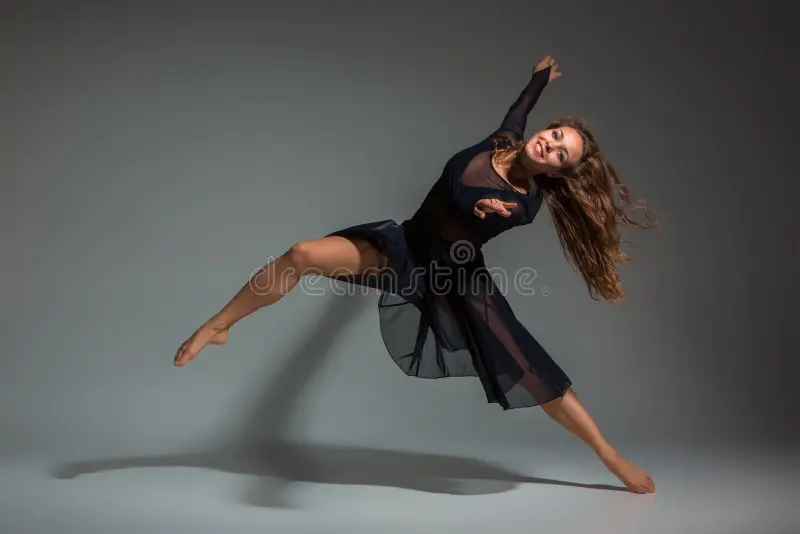

The modeling industry has increasingly shifted toward dynamic visual storytelling, where still images and moving visuals merge into hybrid creative experiences. This shift has introduced a professional edge not based on looks alone, but on a model’s kinesthetic intelligence—the ability to instinctively understand, control, and adapt their body in space with precision and expressive intention. Movement modeling has now become an essential specialization in fashion films, luxury brand campaigns, runway performance art, and multidisciplinary editorial concepts.
Kinesthetic intelligence differentiates a model who simply poses from one who moves with meaning. It translates internal emotion into external physicality, producing images and sequences that feel alive, cinematic, and emotionally resonant. Agencies, directors, and creative leads increasingly prioritize this competency because it enhances brand narrative, visual continuity, and artistic memorability.
What Defines Kinesthetic Intelligence in Modeling?
Kinesthetic intelligence refers to how deeply a model understands bodily mechanics, spatial awareness, movement intention, and emotional expression through physical form. It is not dancing, acting, or athletic motion—though these disciplines often support its development. Instead, it is a conscious, interpretive control of:
-
Line and silhouette
-
Weight distribution and balance
-
Gesture fluidity
-
Tempo and movement pacing
-
Breath-driven expressiveness
-
Connection to spatial composition
Models with high kinesthetic intelligence make movement appear effortless. They can transition from strong angular posing to soft flowing lines seamlessly, adapting based on lighting, styling, and camera perspective.
How Movement Modeling Is Reshaping High-Fashion Campaigns
1. Campaigns Now Prioritize Motion-Centric Storytelling
Luxury brands no longer rely on static imagery alone. Fashion films, cinemagraphs, digital lookbooks, and immersive runway experiences require models who move with cohesion and emotional range. Motion conveys tone faster than posing, which makes movement modeling invaluable for:
-
Avant-garde editorials
-
Conceptual runway direction
-
Narrative brand campaigns
-
Performance-based fashion presentations
Movement becomes the narrative language.
2. The Camera Now Moves More Than the Model
Modern campaigns frequently use tracking, drone, and rotating camera techniques where the model must adjust micro-movements in response, maintaining compositional clarity even when the frame shifts. Kinesthetic intelligence allows models to:
-
Anticipate angles without breaking flow
-
Maintain expressive continuity through retakes
-
Align movement timing with camera pacing
This skill is rare—and highly marketable.
3. Movement Enhances Fabric, Texture, and Silhouette Impact
High-fashion is deeply textile-driven. How fabric moves influences brand identity. Movement modeling emphasizes:
-
The airflow of silk
-
The structure of sculptural garments
-
The weight of layered material
-
The whisper or snap of texture in motion
A model with kinesthetic intelligence understands how to animate clothing rather than simply wear it.
Core Techniques for Developing Kinesthetic Intelligence
1. Somatic Awareness Training
Somatic awareness refers to the internal sensory perception of muscle tension, weight shifts, and breath rhythms. Models benefit from practices such as:
-
Feldenkrais Method
-
Alexander Technique
-
Contemporary floorwork movement
-
Slow tempo improvisation
This training reduces stiffness and increases expressive nuance.
2. Studying Movement Vocabulary
Movement modeling thrives on vocabulary—not memorized poses, but movement families such as:
-
Expansive vs. contracted form
-
Linear vs. curved motion
-
Weighted vs. weightless gesture
-
Push vs. pull dynamic energy
This vocabulary enables adaptability to art direction without overthinking.
3. Breath-Led Motion
Breath controls emotional tone. Models cultivate breath pacing to command:
-
Serenity
-
Urgency
-
Vulnerability
-
Power
-
Stillness
Breath prevents mechanical posing and maintains authenticity.
4. Spatial Composition Awareness
A strong movement model understands the frame. This includes:
-
Knowing where the light falls
-
Sensing the edges of the lens
-
Orienting motion to maintain visual readability
-
Moving in rhythm with the camera’s motion arc
This awareness makes the difference between visually compelling movement and movement that dissipates in the frame.
Why Kinesthetic Intelligence Strengthens Creative Collaboration
Clear Interpretive Communication
Movement models respond to verbal or conceptual direction with agility. When a director requests “melancholic floating tension with fractured softness,” a movement-trained model understands how to translate this into physical dynamics instantly.
Reduced Need for Repetition and Adjustment
Better movement awareness means fewer takes, which saves production time and enhances the creative atmosphere on set.
Emotional Authenticity Becomes Visually Legible
Models who embody emotional intention physically create more powerful, cinematic results. The emotion becomes not just seen—but felt.
How Kinesthetic Intelligence Elevates a Model’s Market Longevity
Models who master body awareness maintain career relevance longer because:
-
They adapt to evolving creative trends
-
Their movement skill becomes a signature artistic identity
-
They are not limited by age-dependent visual standards
-
Their work resonates with editorial and luxury creative culture
Movement becomes the timeless asset.
Conclusion
Kinesthetic intelligence is becoming a core factor shaping the future of high-fashion and performance-based modeling. It merges expressiveness, body awareness, and narrative intention into a unified artistic language that elevates both the model and the campaign. Models who invest in this discipline gain creative depth, professional versatility, and strong industry distinction. In a visual world where motion now carries meaning, the body is no longer just posed—it is performed with purpose.
FAQs
1. Is movement modeling the same as dance modeling?
No. Dance involves structured choreography, while movement modeling prioritizes improvisational emotional expression with visual clarity for the camera.
2. Can a model develop kinesthetic intelligence without performance training?
Yes, though somatic practices, improvisational movement sessions, and breathwork training significantly accelerate development.
3. Do agencies value movement modeling as a specialized skill?
Increasingly, yes—especially in editorial, luxury, performance runway, and high-art brand collaborations.
4. How does movement modeling impact runway performance?
It enhances pacing, posture fluidity, garment expression, and emotional presence, making the walk more captivating.
5. Does kinesthetic intelligence affect how a model works with photographers?
Absolutely. It improves directional responsiveness and helps maintain visual continuity across motion transitions.
6. What role does breath play in expressive movement?
Breath regulates emotional tone, movement tempo, and presence, ensuring gestures feel organic rather than mechanical.
7. Is movement modeling used in commercial campaigns as well as high-fashion?
Yes. Motion-focused storytelling is now widely used in beauty advertising, lifestyle campaigns, and digital brand content.

Comments are closed.