

The current landscape of digital filmmaking offers creators an unprecedented array of high-quality tools. Just a decade ago, the dividing line between a photography camera and a video camera was unmistakable. Today, that boundary has not just blurred; it has been entirely redrawn. Modern mirrorless systems boast video specifications that rival Hollywood tools from only a few years ago, while dedicated cinema cameras have become smaller, more accessible, and more affordable.
For modern video creators, production companies, and independent filmmakers, deciding where to invest their budget is more complex than ever. The choice between a hybrid mirrorless camera and a dedicated cinema camera is rarely a question of which produces a sharper image. Instead, it is a nuanced decision about workflow, ergonomics, crew size, and the specific demands of the production environment. Understanding the distinct advantages and inherent compromises of each system is the only way to make a genuinely informed investment.
Understanding the Fundamental Divide
Before diving into specific features, it is vital to understand the core philosophy behind each type of camera. A hybrid camera is engineered to be a dual-purpose tool, designed to seamlessly transition between capturing high-resolution still photographs and recording professional-grade video. Built primarily around the traditional photography form factor, these cameras prioritize compactness and versatility.
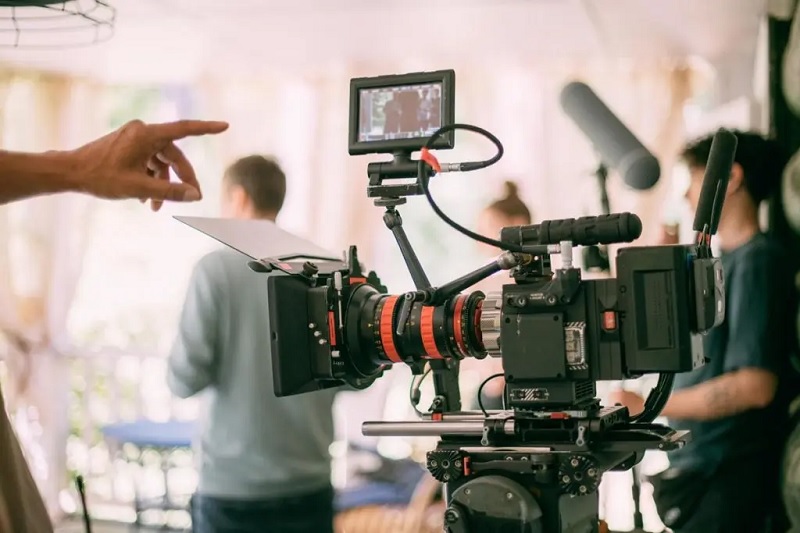
Conversely, a cinema camera is a single-minded tool built exclusively for capturing motion picture. These cameras strip away photography-centric features like mechanical shutters and standard flash hot-shoes to make room for professional video-centric hardware. They are designed to live on sets, often surrounded by specialized crews pulling focus, monitoring audio, and managing complex lighting setups.
The Case for Hybrid Cameras
Hybrid cameras have revolutionized the content creation industry, democratizing high-end video production and empowering solo operators to capture cinematic visuals that were once impossible without a massive crew.
Versatility and Form Factor
The most obvious advantage of a hybrid camera is its physical footprint. Their compact, lightweight bodies make them ideal for travel filmmakers, documentary shooters, and run-and-gun event videographers. When mounted on a lightweight handheld gimbal, a hybrid camera can capture smooth, sweeping tracking shots in tight spaces where a rigged-out cinema camera simply would not fit. Furthermore, their photography-first styling allows creators to maintain a low profile. A videographer shooting with a mirrorless camera on a city street draws significantly less attention than an operator carrying a matte-box-equipped cinema rig.
Advanced Autofocus and In-Body Image Stabilization
Perhaps the most significant technological leap in hybrid cameras over the past few years is the integration of highly intelligent, phase-detection autofocus systems. Powered by advanced subject-tracking algorithms, these cameras can lock onto a subject’s eye and maintain perfect focus even when shooting with ultra-fast lenses at shallow depths of field. For solo operators who cannot afford a dedicated focus puller, reliable continuous autofocus is not just a luxury; it is a critical necessity.
Coupled with this is In-Body Image Stabilization (IBIS). By physically shifting the image sensor to counteract the movement of the operator’s hands, hybrid cameras allow for incredibly stable handheld footage. This eliminates the absolute need for tripods or gimbals in fast-paced shooting scenarios, vastly increasing the speed at which a solo creator can operate.
Cost-Effectiveness
From a purely financial perspective, hybrid systems offer an astonishing return on investment. The initial purchase price of the camera body is generally much lower than an entry-level cinema camera. Furthermore, the media used by hybrid cameras—such as high-speed SD cards or CFexpress Type A/B—tends to be more affordable and widely available than the proprietary media formats often required by high-end cinema systems.
The Case for Cinema Cameras
While hybrid cameras excel in agility and automated features, dedicated cinema cameras are built for uncompromising reliability, superior ergonomics, and seamless integration into professional production environments.
Ergonomics, Connectivity, and Rigging
A hybrid camera must make compromises to remain small and suitable for photography. A cinema camera has no such restrictions. They feature heavily reinforced bodies festooned with mounting points, allowing operators to attach external monitors, wireless video transmitters, follow-focus motors, and heavy V-mount batteries without straining the camera chassis.
More importantly, cinema cameras offer professional connectivity that hybrid cameras lack. Instead of fragile micro-HDMI ports, cinema cameras utilize locking SDI (Serial Digital Interface) connections that guarantee a secure video feed to the director’s monitor. They also feature full-size XLR audio inputs with physical dials for adjusting gain, allowing a sound mixer to capture pristine, uncompressed audio directly into the camera. Crucially, they include dedicated Timecode ports, which are essential for perfectly synchronizing video and audio across multiple cameras and external sound recorders during post-production.
Built-in Production Tools
Operating a cinema camera reveals a suite of built-in tools designed specifically for the cinematographer. Chief among these are internal ND (Neutral Density) filters. Instead of fumbling with screw-on glass filters in front of the lens every time the lighting changes, an operator can simply press a button or turn a dial to electronically or mechanically drop precise degrees of tint in front of the sensor. This allows the shooter to maintain their desired aperture and shutter angle regardless of how bright the environment becomes.
Additionally, cinema cameras feature advanced monitoring tools built directly into the operating system. Features like False Color and Waveform monitors provide an exact, mathematical representation of exposure across the frame, ensuring that skin tones are perfectly lit and highlights are protected.
Thermal Management and Reliability
Shooting high-resolution, high-bitrate video generates an immense amount of heat. Because hybrid cameras are weather-sealed and tightly packed for photography, they often rely on passive cooling, making them susceptible to overheating and abruptly shutting down during long interviews or continuous live streams.
Cinema cameras are designed with active thermal management systems. They incorporate internal fans and massive heat sinks that draw hot air away from the sensor and processing engine. This ensures absolute reliability. A cinema camera can record continuously in a hot studio or under the midday sun without the operator ever having to worry about an overheating warning interrupting a critical take.
Workflow Considerations: Post-Production and Media
The decision between these two camera types heavily impacts the post-production workflow. Cinema cameras are designed to capture the maximum amount of data possible, often recording in highly robust codecs like ProRes or uncompressed RAW formats. These files are massive and require expensive, high-capacity storage drives and powerful computers to edit. However, they offer colorists an incredible amount of latitude during color grading. A cinematographer can completely change the white balance, recover seemingly blown-out highlights, and push the colors to cinematic extremes without the footage falling apart.
Hybrid cameras, to save space on smaller memory cards, traditionally utilize highly compressed interframe codecs like H.264 or H.265. While modern hybrids now offer 10-bit 4:2:2 recording—which is a massive step up for color grading compared to older 8-bit systems—the compression can still introduce artifacts in complex, high-motion scenes. Working with heavily compressed files can also severely tax a computer’s processor, often requiring editors to spend extra time creating proxy files before they can begin editing smoothly.
Which System is Right for Your Production?
Ultimately, the camera you choose must serve the story you are trying to tell and the environment in which you are working.
A hybrid camera is the undisputed champion for solo content creators, travel vloggers, wedding videographers, and run-and-gun documentary filmmakers. If you need to pack your entire production kit into a single backpack, hike up a mountain, and rely on autofocus to track a moving subject while shooting from the hip, a hybrid mirrorless system is the right tool for the job. Its agility, stabilization, and automated features allow a single person to punch well above their weight class.
A cinema camera is the necessary choice for narrative filmmakers, high-end commercial directors, and corporate video production teams. If you are operating in a controlled environment, working from a detailed shot list, utilizing professional lighting, and relying on a dedicated sound mixer and focus puller, the cinema camera is unmatched. Its robust connectivity, superior dynamic range, internal ND filters, and absolute reliability under pressure make it a tool that serious productions can confidently build their entire workflow around.
The golden rule of video production is that the camera is merely a tool, and no single tool is perfect for every job. By honestly evaluating the size of your crew, the demands of your post-production pipeline, and the physical realities of your typical shooting environment, you can confidently invest in the system that will elevate your specific creative vision.

Comments are closed.