
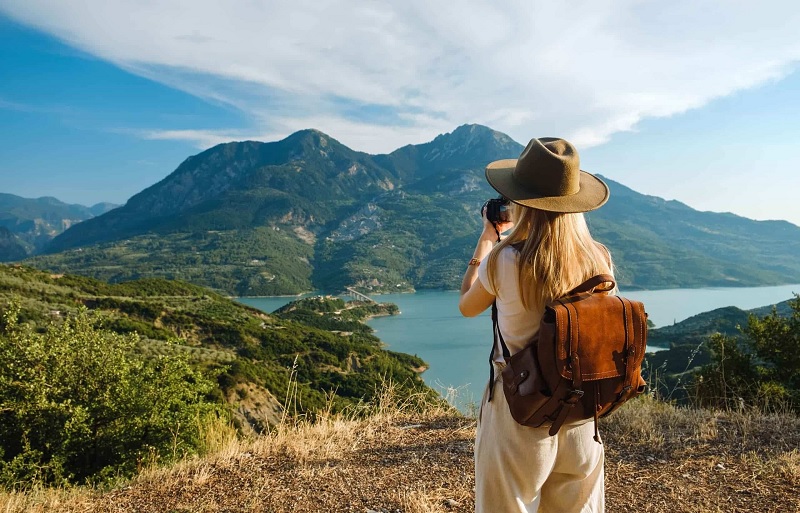

Anyone can buy a plane ticket, stand in front of a famous monument, and press the shutter button. Millions of travelers do this every single day, returning home with memory cards full of images that look identical to every postcard, travel brochure, and Instagram feed on the internet. Yet, a select group of travel photographers consistently manage to capture the world in a way that feels entirely fresh, deeply personal, and arresting. Their work stops us mid-scroll not because they visited a secret destination that nobody else knows about, but because they saw something ordinary through an extraordinary lens.
Discovering unique perspectives is not a matter of luck or expensive equipment. It is an intentional practice rooted in curiosity, patience, and a willingness to break away from conventional tourist habits. Whether you are wandering through the labyrinthine alleyways of Marrakech or exploring a quiet rural town in the American Midwest, transforming how you capture the world requires a fundamental shift in mindset. Let us explore the methods seasoned travel photographers use to break away from the cliché and find truly distinctive viewpoints.
Abandoning the Postcard View
The greatest trap for any travel photographer is the iconic viewpoint. When you arrive at a world-famous landmark, a powerful gravitational pull draws you toward the exact spot where everyone else stands. Signposts point the way, viewing platforms are reinforced for the crowds, and the composition is practically handed to you on a silver platter.
To find a unique perspective, you must actively resist this gravitational pull. The moment you see a designated photo spot, look in the opposite direction. Turn around and examine what the tourists are ignoring. Often, the human element—the vendors selling snacks, the children playing in the shadows, or the way the morning light catches an old drainpipe on a crumbling wall—tells a much truer story of a place than the pristine monument itself.
Walking just two blocks away from a major tourist attraction can change your entire experience. Main thoroughfares are designed for efficient movement, but side streets and residential quarters are where daily life unfolds. By stepping off the beaten path, you give yourself the breathing room needed to discover authentic moments that standard guidebooks completely overlook.
Changing Elevation and Vantage Points
Most people experience the world from a height of about five to six feet. We walk upright, look straight ahead, and photograph our surroundings from eye level. Because this is how we view reality every single day, eye-level photographs often feel mundane and expected.
Professional travel photographers constantly alter their physical relationship with the environment. They crouch low to the ground, climb to elevated viewpoints, or lean over balconies to find unconventional angles.
Shooting from the Low Ground
Dropping down to a knee or lying flat on your stomach completely transforms the geometry of a scene. By bringing your camera down close to the pavement, puddles, or blades of grass, you introduce a powerful foreground element that leads the viewer’s eye into the frame. This technique makes subjects look more monumental and adds a dramatic sense of scale that standing upright simply cannot achieve.
Seeking High Ground and Negative Space
Conversely, finding a high vantage point allows you to look down on patterns, crowds, and architecture that remain invisible from the street. Rooftop cafes, hilltops, and hotel balconies offer sweeping perspectives that reveal the organic layout of a city. Shooting downward also allows you to use negative space creatively, isolating a single subject within a vast, textured canvas.
Embracing Bad Weather and Unfavorable Conditions
The travel industry loves blue skies, golden sunsets, and bright, cheerful sunshine. As a result, millions of vacation photographs feature the exact same flat, harsh lighting conditions. Ironically, true photographic magic often happens when the weather turns foul.
Monsoons, heavy fog, blinding snowstorms, and moody overcast days are a travel photographer’s best friends. A thick morning fog turns a chaotic, visually cluttered cityscape into a minimalist dream, wrapping landmarks in an air of mystery. Rain slicked cobblestones reflect neon neon signs and streetlamps, adding rich textures and vibrant colors that dry afternoons lack.
Instead of retreating to a cafe when the skies open up, embrace the elements. Protect your gear, dress appropriately, and venture out when everyone else is heading indoors. The atmospheric depth you capture during a storm will instantly set your images apart from standard vacation snapshots.
Mastering the Art of Slow Travel
In our rush to see as much of the globe as possible, we often adopt a frantic pace. We hop from city to city, checking off landmarks on a rigid itinerary. This breathless style of travel is the enemy of unique perspective. When you are rushing to catch a train, your brain goes into survival mode, and you only register the surface level of your surroundings.
Slowing down changes everything. Spending an entire week in a single neighborhood allows you to move past the initial phase of visual shock. On the first day, everything looks exotic and novel. By the fourth day, the novelty wears off, and you begin to notice the subtle rhythms of daily life.
You learn when the local baker opens his shop, where the neighborhood stray cats gather in the afternoon sun, and how the light shifts across a specific piazza as the hours tick by. This deep familiarity breeds confidence and creativity, allowing you to anticipate moments before they happen rather than scrambling to catch up to them.
Incorporating Scale and the Human Element
A photograph of a massive mountain range or an endless desert can be breathtaking on its own, but without a point of reference, it is difficult for the human brain to process its true magnitude. Viewers need scale to truly feel the impact of a vast landscape.
Adding a human element to a grand scene instantly grounds the photograph and introduces a narrative. A lone traveler walking along a ridge line gives the viewer an immediate sense of the immense scale of the surrounding mountains. It shifts the image from a simple landscape document to a story about exploration, solitude, and human scale within nature.
You do not always need a person’s face to tell a story, either. Silhouette photography, hands interacting with local craft goods, or feet walking down an ancient path can convey emotion and scale without needing direct portraiture.
Cultivating Personal Vision
Ultimately, discovering unique perspectives is not about mastering camera settings or owning the latest gear. It is about nurturing your own personal curiosity. Two photographers can stand in the exact same spot, holding identical cameras, and capture two entirely different images based on what they choose to notice and what they choose to leave out.
Train yourself to look past the obvious. Pay attention to shadows, textures, colors, and the quiet spaces between the action. By slowing down, altering your physical vantage point, stepping away from the crowds, and refusing to shy away from difficult weather, you unlock the ability to show the world not as it is universally seen, but as you uniquely experience it.

Comments are closed.